
Excavation & Land Development in Little Rock, AR
Local Drainage Service Expertise
Hillcrest and neighborhoods across Little Rock face persistent drainage challenges from Arkansas's humid subtropical climate and historic building stock. Whether you're dealing with foundation seepage, yard pooling, or basement moisture, professional drainage solutions in Little Rock, AR protect your property and prevent costly water damage. We assess your unique site conditions—from dense residential lots to clay-heavy soils—and design systems that move water safely away from structures.
Ready to eliminate standing water and protect your investment? Call to discuss your drainage challenges.
How We Work
From diagnosis to verification, every project follows a clear process you can track.
Inspect & Diagnose
We examine soil grades, existing drains, and water flow patterns on your lot. Visual and basic testing confirm whether you need grading changes, new pipes, or yard-level solutions.
Plan & Estimate
We outline a tailored solution: surface swales, subsurface perimeter drains, sump systems, or foundation repairs. You get a clear plan and no surprises on scope or next steps.
Install Solution
Our crews excavate, position pipes, compact soil, and test flow—respecting your landscape. We handle debris removal and leave your yard ready for use.
Test & Verify
Water is directed through the system to confirm proper flow and slope. We document everything so you have proof the work meets code and your expectations.
You'll always know what's happening next—and why.
Our Services
Drainage needs vary across West Little Rock, Hillcrest, and the city's older neighborhoods. We tailor solutions to your property type and soil conditions.
Grading & Surface Drainage
Water pools in your yard after rain? Improper grading is often the cause. We regrade your landscape to slope away from structures, creating natural channels that prevent standing water and foundation splash.
Common in Hillcrest lots where historic homes have settled unevenly over decades.
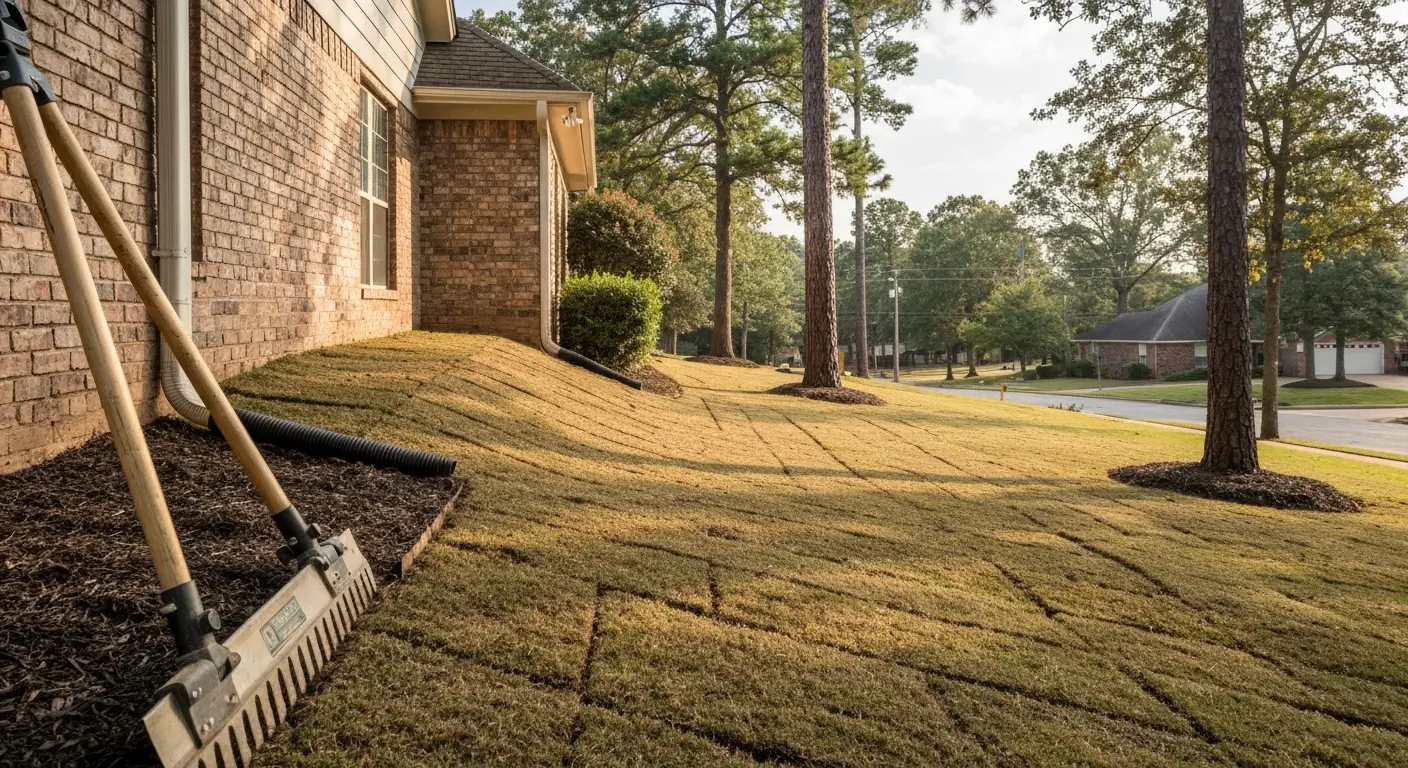
Graded lawn directing water away from foundation in west Little Rock.
Subsurface Drain Systems
Perimeter drains collect groundwater before it reaches your foundation. We install perforated pipe at the footing level, wrap it with filter fabric, and backfill with gravel to move water to daylight or a basin.
Critical for homes built on clay-heavy Arkansas soils that retain moisture.
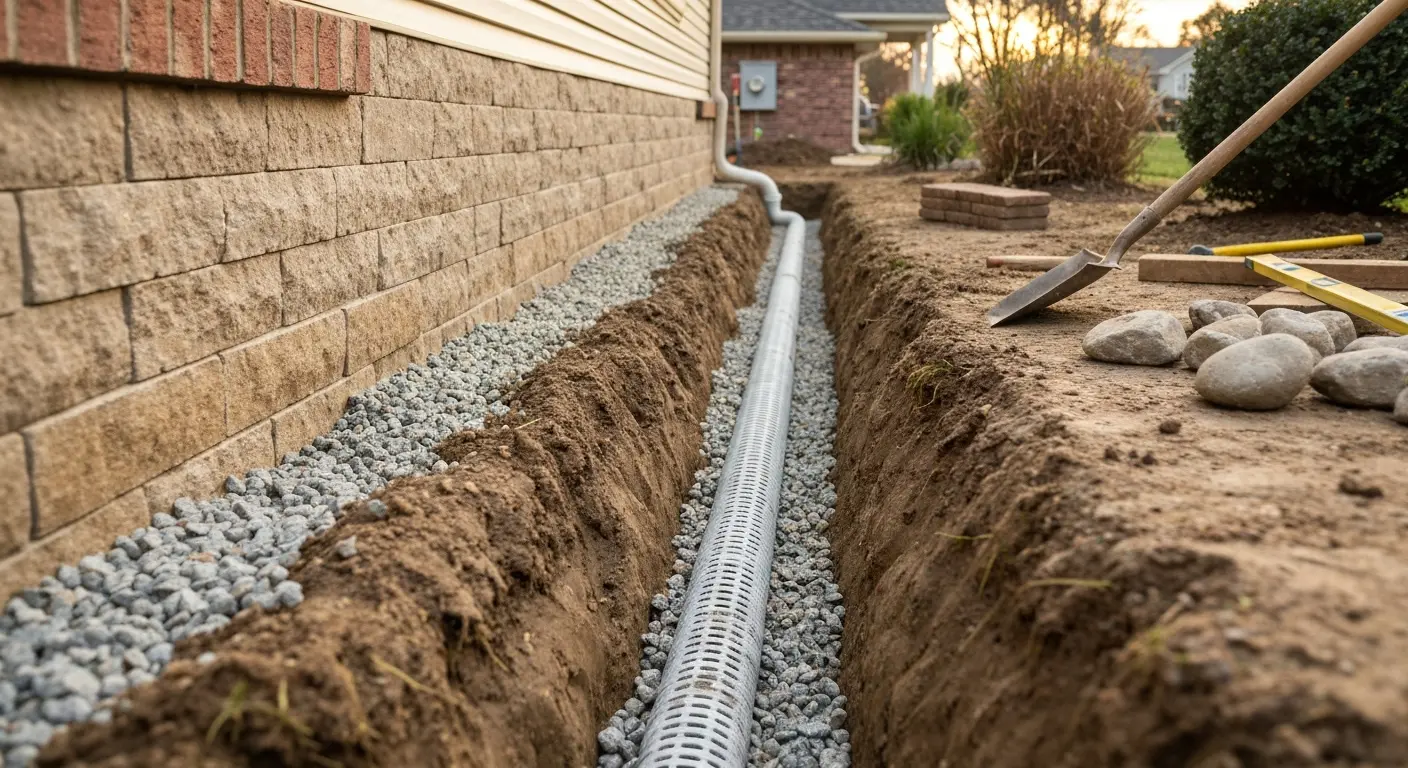
Perimeter French drain being installed around foundation perimeter.
Sump Pump Installation & Maintenance
Sumps collect water from perimeter drains and pump it away from your home. We size pumps for Little Rock rainfall intensity, install backups for power outages, and schedule annual checks to ensure reliability.
Basements in neighborhoods near the Arkansas River benefit most from active removal systems.
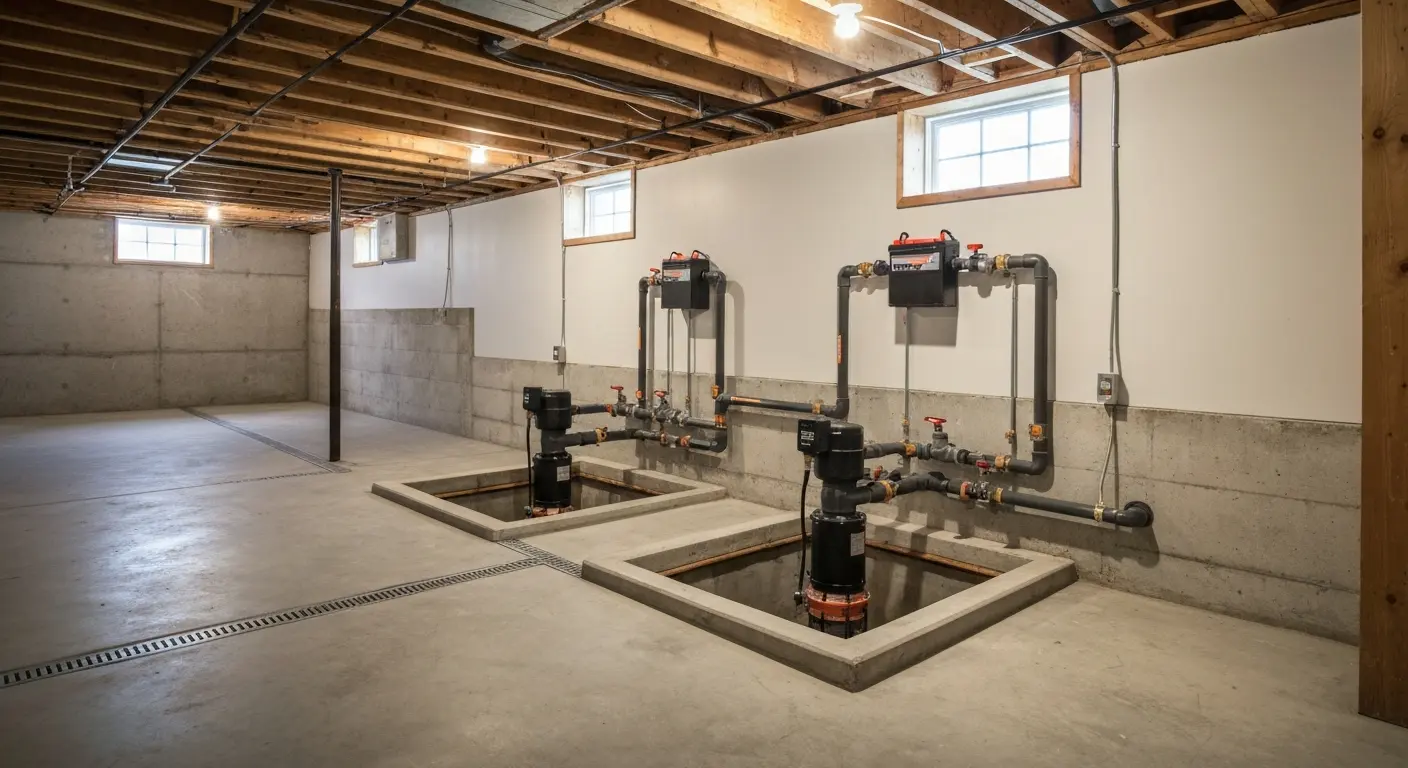
Dual sump system in basement providing redundant water removal.
Gutter & Downspout Solutions
Roof runoff concentrated at downspout outlets accelerates erosion and basement wetting. We extend downspouts away from foundations, add splash blocks, and tie them into yard drainage networks to disperse water safely.
Often the simplest and most cost-effective first step for homeowners experiencing minor foundation moisture.
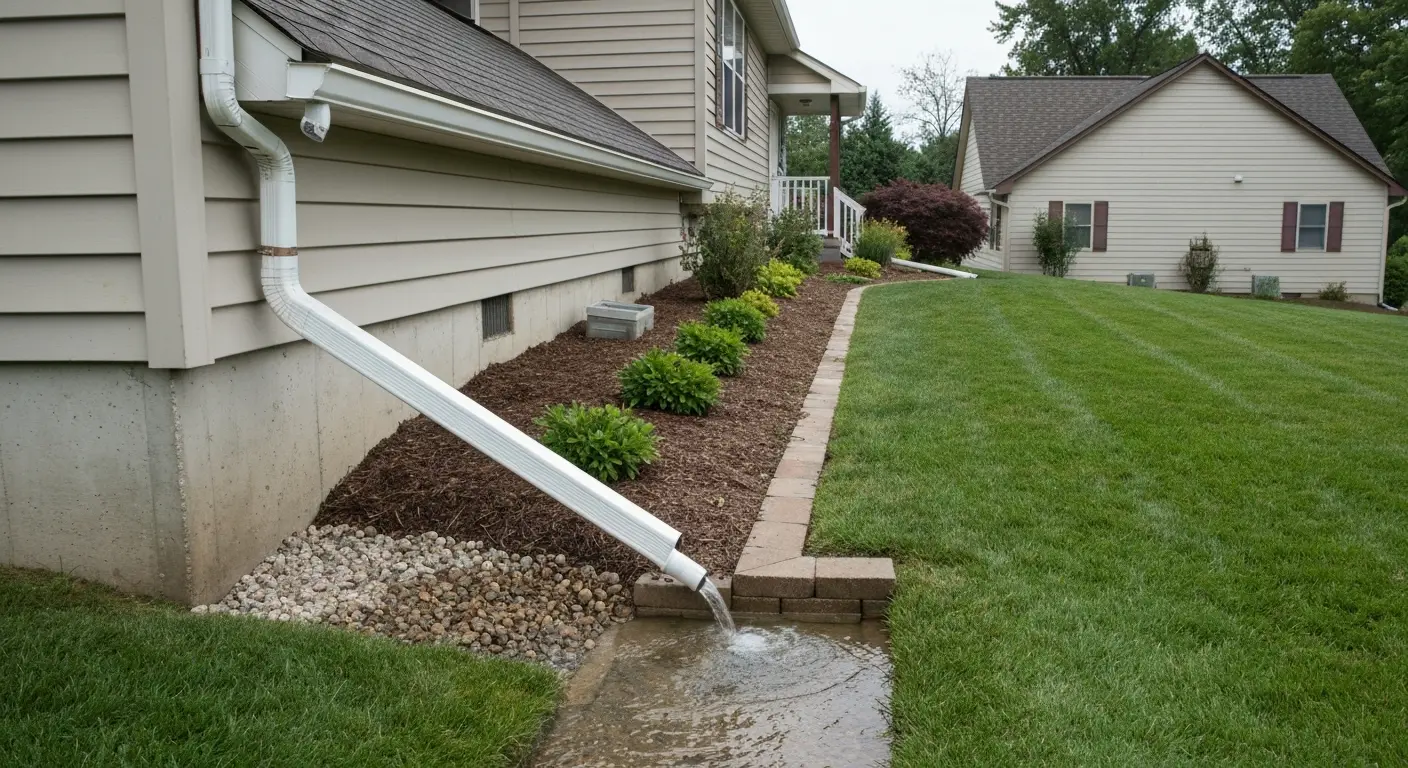
Downspout extension directing roof runoff to yard drainage.
Wet Basement Repair
Interior water seepage combined with exterior drainage failure requires both waterproofing and soil water management. We seal cracks, install interior drain tiles, and pair them with exterior grading or subsurface systems for permanent protection.
Hillcrest and downtown properties often benefit from bundled interior-exterior approaches.
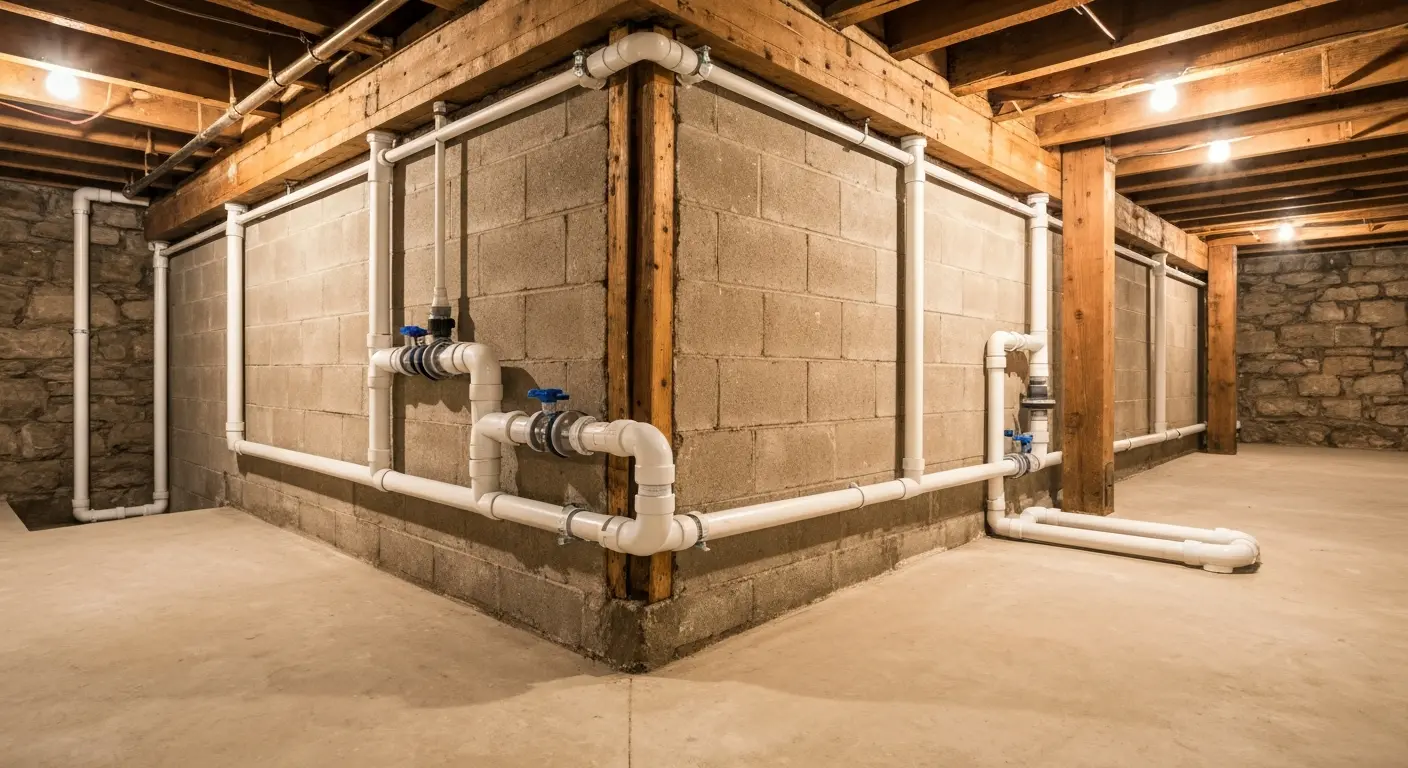
Interior waterproofing and sump system in historic basement.
Why Local Drainage Knowledge Matters
Arkansas Clay Soils
Little Rock's clay-heavy soils don't drain naturally. Water pools instead of percolating. Our systems account for this by moving water laterally to discharge points rather than relying on soil absorption.
Rainfall Patterns
Spring storms and occasional extreme rainfall events test drainage systems. We size pipes and basins for peak Little Rock rainfall intensity to prevent overflow and flooding, not just routine precipitation.
Historic Home Foundations
Hillcrest and nearby older neighborhoods have settled foundations built on shallow footings. These homes demand gentler excavation and careful perimeter work. We respect structural limits while solving water problems.
City Grading & Permits
Little Rock requires permits for grading and drainage modifications. We handle applications with the Civil Engineering Division and ensure all work meets municipal stormwater and right-of-way standards.
Drainage isn't one-size-fits-all. West Little Rock homes, Hillcrest properties, and downtown structures each have unique water management needs. We design with your neighborhood's specific soils, elevation, and building age in mind.
Serving Little Rock & Surrounding Areas
We work throughout Little Rock, from the River Market and downtown core to Hillcrest, West Little Rock, and Maumelle. Whether your property sits near Fourche Creek, the Arkansas River, or in a ridge-top neighborhood, our crews know the terrain and the challenges.
Hillcrest & Central
Historic homes with aged foundations, limited lot widths, parking challenges.
West Little Rock
Newer subdivisions with restrictive covenants, grading challenges, lawn-based systems.
Near Arkansas River
Flood-prone areas, high water tables, dual interior-exterior solutions essential.
Downtown & River Market
Urban redevelopment, shared utilities, tight access, coordinated municipal permitting.
Call today for a free site evaluation. We'll walk your property, answer your drainage questions, and outline a plan that fits your budget and timeline.
Frequently Asked Questions
What causes basement water in Little Rock homes?
Arkansas clay soils retain water and don't drain naturally. Combined with Little Rock's spring rainfall and poor lot grading, water accumulates around foundations. Older homes with aged or cracked foundations are especially vulnerable.
Do I need a permit for drainage work in Little Rock?
Yes. Grading work, subsurface drain installation, and downspout rerouting typically require permits from the City's Civil Engineering Division. We file and coordinate all permits so your project stays compliant with municipal stormwater and right-of-way requirements.
What's the difference between French drains and sump systems?
French drains (perforated pipes wrapped in gravel) move water laterally away from foundations and rely on gravity and soil absorption. Sump systems actively pump water away via an electric pump. Little Rock's clay soils often need sumps because gravity drainage is too slow; French drains alone may be insufficient for high water tables.
Can I solve drainage by just regrading my yard?
Grading helps direct surface water, but if your foundation sits on clay with a high water table (common in Hillcrest and near the Arkansas River), grading alone won't stop groundwater seepage. We assess whether regrading, subsurface drains, or a combination is needed for your site.
How do I know if my sump pump is working correctly?
Test it by pouring water into the basin and listening for the pump to engage. A check valve prevents backflow, and a backup battery ensures operation during power outages. We recommend annual inspections to confirm fit, float function, and discharge line integrity.
Will drainage work damage my landscaping or hardscape?
We assess and plan carefully to minimize disruption. Grading work may require lawn restoration; subsurface drains require targeted excavation. We discuss mitigation options up front and restore disturbed areas before project close-out.
DISCOVER WHAT OUR CUSTOMERS HAVE TO SAY ABOUT US
REVIEWS
proudly serving these areas
Jonesboro, AR
Memphis, TN
Searcy, AR
South haven, MS
Wynne, AR
Melbourne, AR
Paragould, AR
Little Rock, AR
READY TO take the next step?
get a free quote TODAY!
QUICK LINKS
our services
service areas
operating HOURS
Mon: 7:00 am - 7:00 pm
Tue: 7:00 am - 7:00 pm
Wed: 7:00 am - 7:00 pm
Thu: 7:00 am - 7:00 pm
Fri: 7:00 am - 7:00 pm
Sat: Closed - Closed
Sun: Closed - Closed